



The makeup of the global workforce was changing significantly before the COVID-19 global pandemic hit. In the aftermath of the pandemic, specific industries along with mainstream businesses can expect to see major changes in the way they handle their employees as well as the attitudes their employees have towards the workplace environment.
COVID-19 has changed everything, and things may never return to the way they were- in some cases, it has simply served to increase the speed at which change is taking place at organizations around the world. Markets have become more global, working procedures and strategies a bit more flexible and employees have become more demanding when it comes to their needs. All of this has resulted in the emergence of a strong need for clearly outlined global mobility programs so that leadership teams in multinationals across the world can define where and how best to deploy their key resources and people.
Now, more than ever, global businesses require flexible and mobile global workforces. In this article, we will consider what a global mobility program could look like and how an organization can benefit from implementing one.
The need
A strong need has arisen for a robust and workable global mobility program at multinationals which have medium to large sized workforces. A mobility program aligns well with a new technology driven environment where physical location Is no longer a pre-requisite to a person doing a good job. This is not simply about creating a remote or distributed workforce, it is more about examining needs and optimizing resources.
It is about recognizing and understanding that people can fulfill their duties off site or in remote environments like working from home or performing their duties in another country. Technology advancements and innovative communication tools have made it easier for people to keep in touch and collaborate- in fact, the vast majority of collaboration tools today are online digital tools helping people to be proactive and work more productively together.
For most of these tools, a simple download along with a good internet connection is all that is required- so they can be accessed by team members around the world, on their preferred device in any time zone. There are many advantages with these new collaboration tools and forward thinking multinationals are looking to optimize their use in the most productive manner as they have come to recognize that key strategic objectives and revenue goals can be met just as effectively with a mobile workforce.
The need is there, and companies that are slow to act can lose out when it comes to securing the best talent available in the global workforce. Talented employees are now people with options, and they are looking to work with progressive companies who use the latest technology and show innovation when it comes to employee experience welfare.
A global mobility program
A global mobility program allows and even encourages company employees or mobility professionals to either move to different company locations around the world or in some cases to perform their duties in a host country of their choice, or remotely. These can be official, HR leadership sanctioned policies and procedures, documented and evidenced in employee contracts or they can be more informal arrangements with a focus on employee experience and flexibility.
Either way, they tend to result in a winning situation for both the employer and the employee -the employee has flexibility to move or work where they want while the employer has a policy that enables them to hold on to and nurture important talent within the organization. HR departments find that they are in a better position to manage talent and increase employee morale, while employees develop a positive attitude and feel that they are working in a flexible and forward-thinking organization that is moving with the times and offers business travel and international assignments.
A range of benefits
Like any company program, a global mobility program requires patience, diligence and a great degree of planning and organization for it to be effective. It needs buy-in from senior leadership figures and the development of a company culture that focuses on productivity and results ahead of location and traditional working methods.
It is not always guaranteed to work, and all stakeholders need to have a clear understanding of what is involved and be sure that everybody is moving in the same direction. Employers need to stick to their word and employees need to commit to their workloads and not become complacent or casual.
An effective global mobility strategy or program can then bring about a number of important business benefits that can drive productivity and growth within an organization. If the most talented candidate and suitable person for the job is located in South America, but the organization has the innovative technology and next generation communication tools for this person to do their job from there, then why not employ that person and let them get on with it from their home country? This is outside of the box thinking and a significant departure from the traditional office model - but those who choose to embrace it can find out the advantages far outweigh the lack of face to face time with an individual employee.
Here are a few advantages of having a mobile workforce and a clearly defined global mobility program in place to attract talent and boost productivity:
Speed
HR departments will spend less time focusing on individuals in a particular city or country and will be open to candidates from far away who may be immediately available. Digital or online on boarding can happen quickly and an employee can get to work straight away.
Local Knowledge
Employing local people in their home countries can allow you to tap into local knowledge and country nuance that might otherwise be difficult to achieve. Mobile workers in their home countries sometimes have inside knowledge that they can capitalize on- they can also share learnings from their years of experience with colleagues around the world.
Talent Management
When you remove location restrictions, you open your organization up to acquiring the best talent, regardless of geography. This represents a shift in mentality and the focus on people first, location second. As long as the tools and technology are in place for the individuals to do their jobs, then companies that use a global mobility program are in a stronger position to win the war for talent. Talent shortages in specific locations can be managed with a program that encourages employees to move to these places while international assignments can help develop careers and long-term employee loyalty.
Employee Engagement
Employees who feel like they're working in a company without borders are likely to be more engaged and enthusiastic about their career opportunities. They will not be constrained by location issues or a lack of flexibility from their employers- this can lead to good employee experience, morale, productivity and a positive long-term attitude towards the organization.
HR Implications
All programs need to be managed in a professional and efficient way, and there are wide ranging implications for HR professionals when it comes to global mobility programs. Some of the larger organizations today even dedicate an internal mobility team within their HR department to handle issues relating to relocating mobility professionals. This is often necessary to manage what can be a lot of moving parts: tax status setups, social security, the logistics of a location move, financial relocation packages, legal status advice, accommodation and more.
HR professionals at multinational corporations are learning about the value of mobility programs and developing a set of processes and procedures for handling all of the logistics involved. This is important for employee welfare as well as the future stability of the program- for it to become part of a company culture, it needs to work relatively smoothly on a regular basis and have experienced people behind the scenes in control of the process.
Payslip and Global Mobility
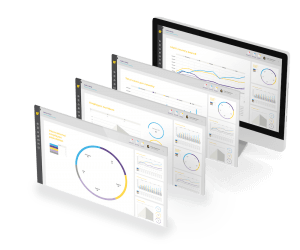
Payslip is a digital native automation and integration technology partner for global payroll management. Our technology facilitates international and remote global payroll workers- our cloud-based platform allows global payroll employees to access payroll data and procedure documents, remotely from any location.
Our digital tools enable task switching between payroll team members located in different countries. Local payroll providers and vendors in countries scattered around the world can integrate with our platform to help serve the needs of the global employer. We have a global network of payroll vendors to help us match global employers with vendors who best suit their payroll strategy requirements.
Our team uses digital communication tools to onboard and integrate clients with our platform-we can have conversations and manage processes with global employers based in different locations around the world, some of whom have mobile staff or individuals working remotely/In small international offices. The Payslip platform can help global payroll teams manage and pay employees based in multiple locations, who are part of a global mobility program at a multinational company.