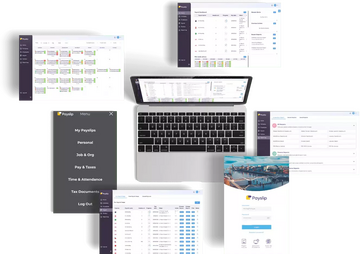


In order to have an efficient and successful HR department, you must provide your HR team with the software that can meet your businesses requirements and standards of work. HR is an employee-orientated workspace, and what they do is directly related to employee’s well-being and loyalty. There are a range of factors to be considered when it comes to the evaluation of HR software, such as delivery and support, scalability, security and the system’s ability to meet requirements.
You must implement an HR system that is secure and reliable. With HR technology advancing, changing and moving more towards a cloud-based environment, take the time to check that the new technology being implemented meets the required standards and is not leaving any gaps in its new structure.
When it comes to dealing with a new software, you should evaluate the new system thoroughly and ask yourself several questions in order to determine if this technology can meet all requirements.
This article will address some key areas that you should be considering in the evaluation of HR software.
Delivery and support of HR software
When it comes to the evaluation of HR software, two things that must come under consideration are how is this software being delivered and what level of support are you getting with it? Over the past number of years HR technology has evolved significantly, with cloud-based software becoming increasingly popular and looking more and more like it is becoming the new normal for HR software.
When thinking about the future of your HR software, an aspect that you must examine is whether you are going to choose a SaaS or on-premises system. SaaS is ultimately looking like the better and more efficient choice- this way the system is easily available by the internet and does not come with the more time consuming and tedious task of installing the software or the burden of maintaining it. Your SaaS vendor should provide the system upgrades as a part of their service.
This is a key difference between SaaS and an on-premise system- as an on-premise software does require this need for installation. Furthermore, this on-premise technology would require a constant need for maintenance which is an added responsibility for IT departments and will likely become a hindrance for HR professionals.
When it comes to considering the support that accompanies your HR software, this is something that must not be neglected or cast aside in your own evaluations. The level of support that is being provided to your business can have a substantial effect when it comes to the success of any business system. Check what resources will be available to you, such as webinars, calls and tutorials. These resources could be invaluable- not only from a support aspect, but also when it comes to training your employees. As well as this, make sure that you take the time to ask your HR software vendor how available they are going to be to you and how quickly they will be able to respond to your queries.
Is it scalable?
When buying a new software for your business, you want to make sure that it is something that will not become obsolete in two years’ time. Having a system that can grow with you is of the utmost importance- this is a key factor that you should be asking HR software vendors about when you are evaluating a potential purchase of a new HR system.
Make sure that when you are considering buying a new HR system that you speak with your own HR professionals throughout the onboarding process, as well as other significant teams within your company, and ask several vital questions. One such question that you should be contemplating is can this software handle a major influx of new employees as a part of a recruitment drive?- this is an important consideration when dealing with HR software. Furthermore, consider potential issues that you would like to avoid when making a decision that will ultimately have an effect on the entire running of your company, such issues being the investment in a software that could become overwhelmed and crash- causing a major setback in your workflow and in the overall operations of your business.
You want to make sure that the HR system you choose is the right fit for your business, presently and in the coming years. Aspects you want to consider include asking yourself if this software can grow with your business needs, will the inbuilt scalability functionality meet your standards and requirements- is it going to be agile, flexible and responsive?
Data security
Data security is a major factor to consider when it comes to the evaluation of HR software. Examining how your potential new system is going to gather, store and secure your company data is an integral part of HR technology.
A data breach is a nightmare- both in terms of cost and company reputation. HR software will contain some of your company’s most sensitive and private data- this includes all of your employee data, such as their personal information, addresses and bank details. If this information is leaked from your company’s HR platform, it will not only reflect poorly on your company, but it will also have a very damaging effect on the lives of the people whose personal data has been exposed.
When evaluating your HR software make sure you take the time to find out where and how your data is going to be kept, how it is going to be backed up and ask your software provider how they address their data security within their company. Furthermore, in your evaluation consider what cloud-based security features are in place and how do they compare against any competitor HR cloud-based systems. HR data is highly sensitive and private- powerful data security is a must.
How well does the HR software meet requirements?
Human resource management is responsible for recommending and implementing strategies for their company. HR management must also administer training for new hires, schedule support and provide a systematic hiring procedure. Therefore, it is crucial that your company has a powerful and flexible HR software that can effectively support and implement these responsibilities in your HR processes.
In order to evaluate your HR system, you could get a live demo from your HR vendor and ask specific questions related to your HR needs. This way, you could clear up any potential issues or concerns that you may have before you fully invest in this new software. Furthermore, in an evaluation perhaps look at performance reviews- this could provide an insight into what other HR professionals think of the software.
You can also look to dive deeper into any specific areas you know will be important when it comes to the running of your company’s HR department. One question that is a key consideration in your evaluation is whether the HR system has an employee self-service portal that could help reduce the number of queries coming into HR?
When it comes to the demo, get wider HR team members involved so that you can get their opinion- as they will ultimately be the ones who are directly involved with the software itself. By doing so you are making sure that the system does meet both your standards and requirements.
Evaluating any kind of software is important- when it comes to an HR system, considering the above four points will help steer you in the right direction. These factors will help future proof your HR department’s new technology and process, so that it can handle current day workloads as well as what is coming down the line.
For information on the Payslip Platform contact us today.