
The EU Pay Transparency Directive (Directive (EU) 2023/970) is partially effective in Malta as of 27 August 2025, introducing salary range disclosure and employee pay information rights. This guide explains what the directive means for employers, employees, and payroll teams in Malta, and how Payslip can help streamline compliance and reporting.
1. What the EU Pay Transparency Directive Aims to Achieve
The Directive strengthens pay equality across the EU by:
-
Increasing pay transparency in job postings, salary setting, and promotions
-
Granting employees rights to access pay information
-
Encouraging larger employers to report gender pay gaps
-
Strengthening enforcement through penalties, corrective measures, and compensation
-
Prohibiting pay secrecy clauses that limit wage discussions
2. Malta Implementation Timeline
-
Partial rules effective: 27 August 2025
-
Scope of initial implementation: Salary range disclosure in job postings, employee right to pay information
-
Full transposition expected: TBD, aligned with EU-wide deadlines
3. Who the Directive Applies To in Malta
-
Workers: Employees and similar employment relationships
-
Employers: Public and private sector companies
-
Thresholds: Applies to all companies for salary range disclosure; gender pay gap reporting likely to apply to medium and large companies once fully transposed
4. Employer Responsibilities in Malta
Recruitment Transparency
-
Include salary ranges in all job postings
-
Avoid asking candidates about previous salary history
Pay-Setting & Career Progression
-
Apply objective, gender-neutral criteria when setting pay and promotions
Employee Right to Pay Information
-
Employees can request:
-
Their own pay
-
Average pay for comparable roles
-
-
Employers must respond within statutory timeframes
Gender Pay Gap Reporting (Future Scope)
-
Medium and large employers will need to submit gender pay gap metrics to authorities once transposition is complete
-
Justification required for any unexplained pay gaps
5. What Employees Gain
-
Transparent pay expectations before joining
-
Access to comparative pay information
-
Legal protections against discriminatory pay practices
6. Consequences for Non-Compliance
-
Employees may receive full compensation for pay discrepancies
-
Employers may face fines and penalties
-
Burden of proof may shift to employers in pay discrimination cases
7. Payroll Implications in Malta
Payroll teams are central to compliance. Key responsibilities include:
Data to Track:
-
Base pay, bonuses, allowances, benefits, working hours
Processes to Support Compliance:
-
Respond to employee pay information requests
-
Prepare datasets for gender pay gap reporting once applicable
-
Support HR with gender-neutral job evaluations
Controls:
-
Track promotions, salary changes, and one-off payments
-
Ensure confidentiality of sensitive pay data
8. How Payslip Can Help
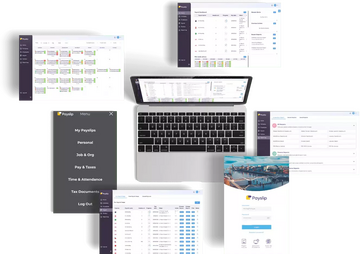
Payslip simplifies compliance for Malta payroll teams:
-
Centralized reporting across all payroll systems
-
On-demand salary and pay information metrics
-
Automated employee information requests
-
Integration with HR and finance systems
With Payslip, payroll teams can reduce administrative burden, stay compliant, and provide timely insights to HR and leadership.
9. Next Steps for Maltese Employers
-
Review payroll processes and employee categories
-
Prepare for employee pay information requests
-
Align recruitment practices with salary range disclosure rules
-
Monitor updates on full EU transposition and build a compliance roadmap
See Payslip in action! Book a demo with one of our friendly team members today.