

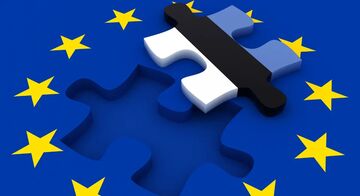
The EU Pay Transparency Directive will require employers in Estonia to introduce salary transparency in hiring, report on gender pay gaps, and provide employees with clearer access to pay information.
With implementation required by June 2026, organizations in Estonia should begin preparing now to ensure compliance and avoid operational disruption.
Estonia already has strong digital infrastructure and alignment with EU employment standards. However, like many countries, it does not yet have fully standardized pay transparency or reporting requirements at scale. The Directive introduces a more structured, data-driven approach to pay transparency and accountability.
1. EU Pay Transparency Directive Estonia: Implementation Timeline
- EU transposition deadline: 7 June 2026
Estonia must adopt national legislation by this date. Updates are expected to build on existing labor and equality frameworks, introducing formal reporting obligations and transparency requirements.
Organizations with 100+ employees should begin preparing now.
2. Current Pay Transparency Laws in Estonia
Estonia currently enforces:
- Equal pay for equal work
- Anti-discrimination protections
- General fairness principles in employment
However, Estonia does not currently require:
- Gender pay gap reporting
- Formal pay audits
- Mandatory salary transparency in job postings
The Directive introduces:
- Mandatory gender pay gap reporting
- Salary transparency requirements
- Expanded employee rights to pay information
This marks a shift from principle-based compliance to structured, measurable transparency.
3. Salary Transparency in Recruitment in Estonia
Under the Directive, employers in Estonia will need to:
- Include salary ranges in job ads or disclose them before interviews
- Avoid asking candidates about salary history
To prepare, organizations should:
- Define salary bands
- Align hiring with internal pay structures
- Ensure consistency across offers
4. Pay Structures and Employee Rights
Employees in Estonia will gain the right to understand:
- How their pay is determined
- Criteria for pay progression
Employers must ensure these are:
- Objective
- Gender-neutral
- Clearly documented
This may require:
- Job architecture frameworks
- Standardized role evaluations
- Transparent compensation policies
5. Gender Pay Gap Reporting in Estonia
The Directive introduces mandatory reporting:
- 250+ employees: annually
- 150–249 employees: every 3 years
- 100–149 employees: every 3 years (phased)
If a gender pay gap of 5% or more cannot be justified, employers must conduct a joint pay assessment.
This will be a significant new requirement for many organizations in Estonia.
6. Enforcement and Compliance Risk
The Directive strengthens enforcement across the EU, including Estonia.
Key changes include:
- Right to full compensation for pay discrimination
- Shift in burden of proof to the employer
- Increased financial and reputational risk
Organizations should expect increased scrutiny, particularly multinational employers.
7. Impact on Payroll and HR Teams in Estonia
Payroll and HR teams will play a central role in compliance.
Organizations will need:
- Accurate, standardized payroll data
- Alignment between HR and payroll systems
- Reliable reporting capabilities
- Strong audit trails
For global organizations, fragmented payroll data remains a major barrier to compliance.
8. How to Prepare for the EU Pay Transparency Directive in Estonia
Organizations should act now:
- Define salary bands and pay structures
- Build job architecture
- Conduct gender pay gap analysis
- Improve payroll data consistency
- Align HR, payroll, and legal teams
- Prepare for reporting and audits
Early preparation reduces risk and enables a more strategic approach to transparency.
How Payslip Supports Pay Transparency in Estonia
Preparing for the EU Pay Transparency Directive requires accurate, standardized, and audit-ready payroll data.
Payslip enables organizations to:
- Standardize payroll data across all countries
- Run centralized gender pay gap reporting
- Compare pay data consistently across regions
- Maintain audit-ready payroll records
With a global payroll system of record, organizations can build a strong foundation for compliance in Estonia and across the EU.
Final Thoughts
The EU Pay Transparency Directive will significantly reshape how employers in Estonia manage pay, reporting, and compliance.
The challenge is not just regulation. It is data readiness, structure, and governance.
Organizations that invest early in payroll data quality and transparency frameworks will be best positioned to comply and build long-term employee trust.