

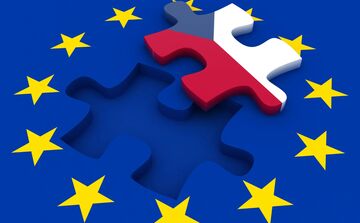
The EU Pay Transparency Directive (Directive (EU) 2023/970) is coming to Czech Republic. This guide explains what it means for employers, employees, and payroll teams, and how Payslip can simplify compliance and reporting.
1. What the EU Pay Transparency Directive Aims to Achieve
The Directive strengthens pay equality across the EU by:
-
Increasing pay transparency in recruitment, salary setting, and promotions
-
Giving employees access to pay information
-
Introducing gender pay gap reporting requirements for larger employers
-
Strengthening enforcement, including compensation, penalties, and corrective measures
-
Prohibiting pay secrecy clauses that restrict wage discussions
2. Czech Republic Implementation Timeline
-
EU transposition deadline: 7 June 2026
-
Current status (Jan 2026): Draft legislation under consultation; pay secrecy clauses already banned since June 2025
-
Expected reporting deadlines (once transposed):
-
250+ employees: annual gender pay gap report
-
150–249 employees: report every three years
-
100–149 employees: reporting may begin by 2031
-
3. Who the Directive Applies To in Czech Republic
-
Workers: Employees and similar employment relationships
-
Employers: Public and private sector, including medium and large companies
-
Thresholds: Employers with 100+ employees must report gender pay gaps
4. Employer Responsibilities (Expected in Czech Republic)
Recruitment Transparency:
-
Include pay range in job postings
-
Do not ask candidates about previous salaries
Pay-Setting & Career Progression:
-
Maintain objective, gender-neutral criteria for salaries and promotions
Employee Right to Information:
-
Employees can request their own pay level and average pay by gender for comparable roles
-
Employers must respond within statutory timeframes
Gender Pay Gap Reporting:
-
Larger employers must submit pay gap metrics to authorities
-
Joint pay assessments required if unjustified gaps exceed 5%
5. What Employees Gain
-
Clear pay expectations before joining
-
Access to comparative pay information
-
Stronger legal protections against pay discrimination
6. Consequences for Non-Compliance
-
Full compensation for affected employees
-
Fines and penalties for employers
-
Burden of proof may shift to employers in discrimination cases
7. Payroll Implications in Czech Republic
Payroll teams play a central role in compliance:
Data to track:
-
Base pay, bonuses, allowances, benefits, and working hours
Processes to support compliance:
-
Respond to employee pay information requests
-
Prepare datasets for gender pay gap reporting
-
Support HR with gender-neutral job evaluations
Controls:
-
Track pay changes, promotions, and one-off payments
-
Ensure confidentiality of sensitive pay data
8. How Payslip Can Help
Payslip simplifies compliance for Czech Republic payroll teams:
-
Centralized reporting across all payroll systems
-
On-demand gender pay gap metrics
-
Automated employee information requests
-
Integration with HR and finance systems
With Payslip, payroll teams can reduce administrative burden, stay compliant, and provide timely insights to HR and leadership.
9. Next Steps for Czech Employers
-
Review payroll processes and employee categories
-
Prepare for gender pay gap reporting and employee requests
-
Align recruitment with pay transparency rules
-
Monitor draft legislation and build a compliance roadmap