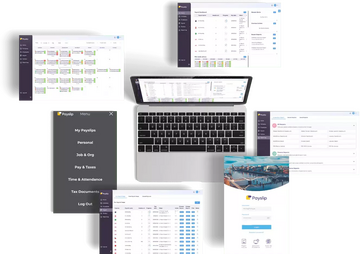


The EU Pay Transparency Directive (Directive (EU) 2023/970) is coming - and Belgium is preparing to implement it. This guide explains what it means for employers, employees, and payroll teams, and how Payslip can simplify compliance and reporting.
1. What the Directive Aims to Achieve
The Directive is designed to make pay discrimination easier to detect and challenge by:
-
Increasing transparency in recruitment, pay-setting, and career progression
-
Giving workers a right to access pay information
-
Introducing EU-wide gender pay gap reporting requirements
-
Strengthening enforcement, including compensation, orders, and penalties
2. Belgium Timeline
National legislation deadline: 7 June 2026 – Belgium must have laws in place to implement the Directive nationwide.
Current status (late 2025):
-
Belgium has early regional implementation in the Fédération Wallonie‑Bruxelles, effective from January 2025, primarily for public-sector employers.
-
Nationwide legislation for the private sector is expected to be adopted in line with the EU transposition deadline.
Reporting deadlines (by employer size, once transposed):
| Employees | First Report | Frequency |
|---|---|---|
| 250+ | 7 June 2027 | Annually |
| 150–249 | 7 June 2027 | Every 3 years |
| 100–149 | 7 June 2031 | Every 3 years |
While legislation goes live in 2026, most employers will need to submit their first reports in 2027.
3. Who the Directive Applies To
-
Workers: Broad EU definition, including employees and job applicants
-
Employers: Private and public sectors
Key thresholds:
-
Recruitment transparency & pay information: Most employers, with some exemptions for companies under 50 employees
-
Pay gap reporting & joint pay assessments: Employers with 100+ employees
4. Employer Responsibilities
Recruitment Transparency
-
Provide pay or pay ranges upfront
-
Include relevant collective agreement info where applicable
-
Do not ask candidates about pay history
Pay-Setting & Progression
-
Make pay and promotion criteria objective and gender-neutral
-
Employers under 50 may have exemptions
Employee Right to Information
Employees can request:
-
Their own pay level
-
Average pay by sex for employees in the same category or performing work of equal value
-
Employers must respond within 2 months
Gender Pay Gap Reporting
-
Covered employers must publish pay gap metrics
-
A national monitoring body will collect and compare data
Joint Pay Assessments
-
Triggered if a category has an average pay gap of 5% or more not objectively justified
-
Employers must conduct a joint assessment with worker representatives within 6 months
5. What Employees Gain
-
Clearer pay expectations before joining
-
Access to comparative pay information
-
Stronger enforcement protections if discrimination occurs
6. Consequences for Non-Compliance
-
Full compensation for victims (uncapped)
-
Orders to stop breaches, with recurring penalties if ignored
-
Proportionate fines and penalties
-
Shift in burden of proof in some cases
-
Protection against retaliation for enforcing pay rights
7. Enforcement in Belgium
-
Likely equality body: Federal Institute for the Equal Treatment of Men and Women (Flemish & French regions coordinated)
-
Labour dispute resolution: Labour Court / Employment tribunals
-
Monitoring body: Will collect and publish pay gap data
8. Payroll Implications
Payroll teams will play a central role in compliance. Key tasks include:
Data to manage:
-
Base pay, bonuses, allowances, and benefits in kind
-
Accurate working hours
-
Mapping employees into categories for pay comparison
Processes to support:
-
Respond to employee pay requests within 2 months
-
Provide datasets for employers to meet EU thresholds
-
Support HR with gender-neutral job evaluation inputs
-
Track pay changes, promotions, allowances, and one-off payments
Controls:
-
Ensure confidentiality rules comply with the Directive
-
Be ready for increased queries and enforcement requests
9. How Payslip Can Help
Payslip makes compliance easier:
-
Centralized reporting: Aggregate all pay and employee data in one place
-
Data on-demand: Produce pay gap metrics quickly and accurately
-
Audit trails: Track pay changes, promotions, and allowances
-
Employee requests: Streamline responses to pay information requests
-
Integration: Connect payroll, HRIS, and other systems for full transparency
Using Payslip, payroll teams can reduce administrative burden, stay compliant, and provide accurate, timely reports to HR and leadership.
10. Next Steps for Employers
-
Review your current payroll and reporting processes
-
Map employees to categories for pay gap reporting
-
Set up workflows for employee pay information requests
-
Consider a platform like Payslip to simplify reporting and compliance
Stay tuned: We are creating an EU Pay Transparency Guides series covering each country. Check back for practical advice on compliance, reporting, and payroll implications.
See Payslip in action! Book a demo with one of our friendly team members!