

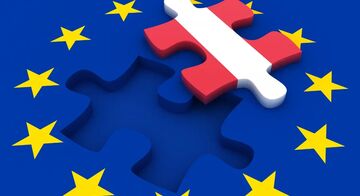
The EU Pay Transparency Directive will require employers in Austria to introduce greater salary transparency, strengthen gender pay gap reporting, and improve how compensation decisions are documented and communicated.
Austria already has some salary transparency obligations in place, particularly around salary disclosure in job advertisements. However, the Directive introduces broader and more formalized requirements around reporting, pay equity governance, employee rights, and employer accountability.
With implementation required by June 2026, organizations operating in Austria should begin preparing now to ensure compliance and reduce operational risk.
1. EU Pay Transparency Directive Austria: Implementation Timeline
EU transposition deadline: 7 June 2026
Austria must implement national legislation aligned with the Directive by this date.
Organizations with 100+ employees should begin preparation now, especially multinational employers managing payroll and compensation across multiple countries.
Compliance readiness will require coordination between:
- payroll
- HR
- legal
- compensation
- finance
- leadership teams
2. Current Pay Transparency Laws in Austria
Austria already has stronger salary transparency rules than many EU countries.
Current requirements already include:
- Equal pay protections
- Anti-discrimination legislation
- Mandatory minimum salary disclosure in job advertisements
- Gender equality obligations under Austrian labor law
However, Austria does not currently require:
- Standardized EU-style gender pay gap reporting for all qualifying employers
- Mandatory joint pay assessments
- Broad employee access to comparative compensation information
- Fully standardized pay transparency reporting structures
The Directive expands employer obligations significantly by introducing:
- Mandatory gender pay gap reporting
- Stronger employee rights around pay information
- Increased documentation requirements
- Greater employer accountability for pay equity
For many organizations, this represents a shift from partial transparency toward continuous and measurable pay governance.
3. Salary Transparency in Recruitment in Austria
Austria already requires employers to include minimum salary information in job advertisements under the Equal Treatment Act.
Under the Directive, organizations may need to go further by:
- Providing clearer salary ranges or compensation expectations
- Ensuring transparent hiring processes
- Avoiding questions about candidate salary history
- Demonstrating objective compensation practices
Organizations should prepare by:
- Reviewing salary band structures
- Aligning compensation frameworks across teams
- Standardizing recruitment practices
- Training hiring managers
- Improving consistency between advertised and actual compensation
Employers with inconsistent compensation practices may face increased compliance and reputational risk.
4. Pay Structures and Employee Rights
The Directive strengthens employee rights around compensation transparency.
Employees in Austria will gain stronger rights to understand:
- How pay decisions are made
- The criteria used for salary progression
- How compensation compares across comparable roles
- Whether pay practices are objective and gender-neutral
Employers will need compensation systems that are:
- Transparent
- Consistent
- Properly documented
- Based on objective criteria
Many organizations may need to introduce or improve:
- Job architecture frameworks
- Standardized job grading
- Compensation governance processes
- Formal pay review documentation
- Internal pay equity controls
5. Gender Pay Gap Reporting in Austria
The Directive introduces mandatory reporting obligations based on company size:
- 250+ employees: annual reporting
- 150-249 employees: reporting every 3 years
- 100-149 employees: phased reporting every 3 years
If organizations identify a gender pay gap of 5% or greater that cannot be objectively justified, they may be required to conduct a joint pay assessment with employee representatives.
To prepare, organizations may need improvements in:
- Payroll data quality
- Employee classification consistency
- Reporting infrastructure
- Compensation governance
- Cross-functional data alignment
Multinational organizations may face additional complexity where payroll data is fragmented across providers or systems.
6. Enforcement and Compliance Risk
The Directive strengthens enforcement mechanisms across the EU, including Austria.
Potential risks include:
- Financial penalties
- Employee compensation claims
- Reputational damage
- Increased scrutiny during disputes
- Higher documentation requirements
- Greater regulatory oversight
The burden of proof in pay discrimination disputes will increasingly shift toward employers, making audit-ready payroll and compensation data critical.
7. Impact on Payroll and HR Teams in Austria
Payroll and HR teams will play a central role in compliance readiness.
Organizations will need:
- Accurate payroll data
- Consistent employee classification
- Reliable reporting capabilities
- Alignment between payroll, HR, and compensation systems
- Strong audit trails
- Clear compensation documentation
For multinational employers, standardization across countries will become increasingly important.
8. How to Prepare for the EU Pay Transparency Directive in Austria
Organizations should begin preparing now by:
- Reviewing salary transparency practices
- Defining structured salary bands
- Conducting gender pay gap analysis
- Improving payroll data consistency
- Standardizing job architecture
- Aligning payroll and HR systems
- Reviewing recruitment policies
- Building stronger compensation governance processes
Early preparation can help reduce compliance risk while improving employee trust and operational transparency.
How Payslip Supports Pay Transparency Compliance in Austria
Preparing for the EU Pay Transparency Directive requires accurate, standardized, and audit-ready payroll data.
Payslip enables organizations to:
- Standardize payroll data across countries
- Improve payroll reporting visibility
- Support centralized gender pay gap reporting
- Maintain audit-ready payroll records
- Strengthen cross-border payroll governance
- Create consistent global payroll reporting frameworks
With a global payroll system of record, organizations can build a stronger foundation for pay transparency compliance in Austria and across the EU.
Final Thoughts
Austria already has a strong foundation for salary transparency, but the EU Pay Transparency Directive introduces broader obligations around reporting, governance, and employer accountability.
The challenge for organizations is no longer simply legal compliance.
It is operational readiness.
Organizations that invest early in payroll infrastructure, compensation governance, and reporting capabilities will be best positioned to comply successfully while building stronger employee trust over the long term.