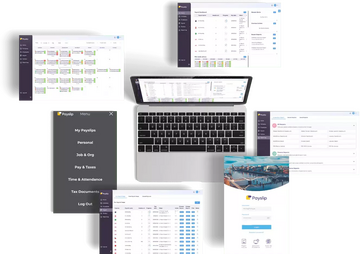


Payroll is an essential part of any organization, and it is crucial from a HR leadership perspective to ensure that employees receive their paychecks accurately and on time. Afterall, this is the essential contract between employer and employee and should never be underestimated. Payroll errors can break employee trust and lead to dissatisfaction, which can have a significant impact on employee morale and productivity. In this blog post, we will take a look at some of things HR professionals can do in order to build employee trust with first-class payroll.
The contract that establishes trust
Payroll is often seen as the unseen but crucial contract of trust between an employer and an employee. It plays a significant role in establishing and maintaining a positive relationship between the two parties. Here's why payroll is essential for building trust on the employee journey:
1. Financial Security: Payroll ensures that employees receive their salaries accurately and on time. When employees can rely on their employer to pay them promptly and correctly, it creates a sense of financial security and trust.
2. Transparency: Payroll provides transparency in terms of how employees are compensated. It includes details such as salary, deductions, benefits, and taxes. When employees have access to this information, they can verify that they are being paid fairly and in accordance with their employment agreement.
3. Consistency: Consistency in payroll processing builds trust. Employees expect their paychecks to be consistent from one pay period to another. Any errors or discrepancies can erode trust and create dissatisfaction among employees.
4. Compliance* Accurate payroll processing ensures compliance with labor laws and regulations. When employers demonstrate their commitment to following legal requirements, employees feel secure and trust that their rights are being protected.
5. Open Communication: Payroll also involves communication between employers and employees. It provides an opportunity for employers to address any concerns or questions employees may have regarding their compensation. Open and transparent communication builds trust and fosters a positive work environment.
To build trust through payroll, organizations can:
- Implement modern, digital payroll systems and processes to minimize errors and ensure accuracy.
- Provide employees with access to their payroll information in any location and on their preferred devices.
- Communicate clearly about payroll policies, including payment schedules, deductions, and benefits.
- Address any payroll-related concerns promptly and transparently.
By prioritizing accurate and transparent payroll practices, employers can establish a strong foundation of trust with their employees. This trust contributes to employee satisfaction, engagement, and overall business performance.
Payroll Errors Break Trust
Payroll errors can occur due to various reasons, such as incorrect data entry, outdated software, or human error. A common problem today is an over-reliance on Excel spreadsheets and manual data entry work which is prone to error and represents a business risk.
Payroll errors can lead to incorrect paychecks, missed payments, or overpayments, which can cause significant financial stress for employees. Moreover, employees may lose trust in the organization's ability to manage their payroll accurately, leading to a lack of confidence in the organization's overall management.
To avoid payroll errors, organizations should:
Make Clear Payroll Policies: Organizations should have clear policies on payroll processing, including deadlines for submitting timesheets, pay periods, and payment dates. These policies should be communicated to all employees and strictly enforced.
Digitize payroll processes: Manual payroll processing is prone to errors, and it is time-consuming. By digitizing the entire process, organizations can reduce the risk of errors and save time. Digital and automated payroll software or platforms can automatically calculate taxes, deductions, and other payroll-related expenses, reducing the risk of human error.
Define Internal Control and Management Report Rules: Organizations should define internal control and management report rules to help identify payroll irregularities, excess work hours, and exceeded budgets early on. These rules should be communicated to all employees and strictly enforced.
Digitize the Entire Process
As mentioned earlier, digitizing the entire payroll process can help reduce the risk of errors and save time. This would involve replacing manual processes with automated data workflows which eliminate the likelihood of human error with data entry. A key area of focus should be to automate all of the pre-payroll data needed for global payroll delivery and management. This is really where the pain is for global payroll professionals-gathering, orchestrating and validating all of the data needed for payroll that tends to be held in multiple different sources.
Automating pre payroll data flows will massively speed up the process of pre-payroll data preparation and ensure that accurate payroll data and files are delivered at a much quicker speed to the relevant parties such as the local country payroll providers who calculate the payroll and process the payments in the local countries.
Leveraging automation and digitizing the entire end-to-end process would also help payroll departments save time, reduce costs, empower payroll teams while introducing new levels of speed and efficiency in payrun management.
Grant Employees Access to Their Payroll Data
Granting employees access to their payroll data as part of an employee experience strategy can help build trust and transparency. By providing employees with access to their pay stubs, tax deductions, and other payroll-related information, organizations can show that they are committed to ensuring that employees receive accurate paychecks while also feeling in control of their payroll data.
A great added benefit of this is that providing employees with access to their payroll data can help reduce the workload of the HR department. Employees can view their payroll-related information online, reducing the number of inquiries that the HR department receives.
In conclusion, building employee trust with first-class payroll is essential for any organization. By making clear payroll policies, digitizing the entire process, and granting employees access to their payroll data, organizations can ensure that employees receive accurate paychecks and enjoy a positive employee experience.