

As 2025 begins, it’s the perfect time to assess your audit readiness. This involves ensuring you can confidently address audit team questions and support their queries with accurate data, financial records, and verified statistics.
The complexity of global compliance requirements is expected to rise further in 2025. The rapid evolution of international workforces and employment practices, such as hybrid and remote work, has significantly impacted compensation, tax laws, and employment regulations. Employers must navigate an ever-expanding maze of local and global compliance obligations.
Audit readiness requires proactive measures in global payroll management, HR, and compliance, emphasizing the critical role of detailed reporting. This article explores the evolving compliance landscape and how you can strengthen your audit readiness with the right tools and practices.
The Compliance Challenge
In the last decade, multinational organizations have faced unprecedented growth in the complexity of compliance. Expanding operations across multiple regions, managing diverse workforces, and responding to stringent regulatory environments have introduced significant challenges.
Audits today go beyond traditional financial reporting to cover areas like information security, data privacy, and internal controls. Internal audits ensure that business protocols are consistently followed, while external audits—often conducted by third parties—scrutinize an organization’s compliance practices. Failing an external audit can lead to financial penalties, reputational damage, and public scrutiny, making audit preparedness a top priority.
Why Digital Solutions Are Essential
Audit processes demand transparency and reliable data trails. Manual systems like spreadsheets or email chains are prone to errors, lack accountability, and fail to meet today’s rigorous audit standards. Instead, organizations need digital tools that offer:
- Real-time audit trails: Track and timestamp actions, capturing who made changes and why.
- Automated data flows: Seamless integration between systems (e.g., HCM and global payroll platforms) ensures accurate, time-stamped data transfers.
- Centralized reporting: Provide clear, provable records that satisfy audit requirements for compliance and security.
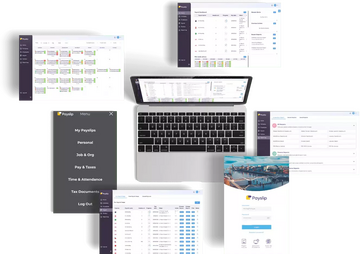
Cloud-based platforms, like Payslip’s global payroll control platform, simplify compliance by automating audit trails and enhancing transparency.
Payslip: Your Partner in Audit Readiness
Global payroll is inherently complex, with every country introducing unique challenges. Payslip’s global payroll control platform addresses these complexities by offering unparalleled visibility into data and processes while adhering to strict data security protocols.
Key Features for Audit Readiness
1. Audit Workflow Report
Tracks performance against workflow deadlines and SLAs over time.
Provides insights into team and payroll provider efficiency.
- Records all changes to pay and tax data, displaying previous and updated records side by side.
- Captures timestamps and the identity of users making updates.
Certified and Secure
Payslip is ISO27001:2022 certified, adhering to the highest standards of data privacy and information security. Our platform equips organizations to meet compliance obligations related to:
- Sarbanes-Oxley (SOX)
- Anti-Money Laundering (AML) guidelines
- GDPR requirements
- Employee Subject Access Requests (SARs)
Payslip’s tools document every interaction with payroll data, making it easier to comply with global regulations, avoid audit penalties, and maintain trust with stakeholders.
Prepare for Audit Success
Audit readiness is no longer optional—it’s a business imperative. Payslip empowers organizations with the tools to navigate audits confidently, ensuring compliance across all levels.
Interested in enhancing your global payroll and compliance processes? Contact us today to learn how our platform can transform your audit readiness and streamline your operations for 2025.